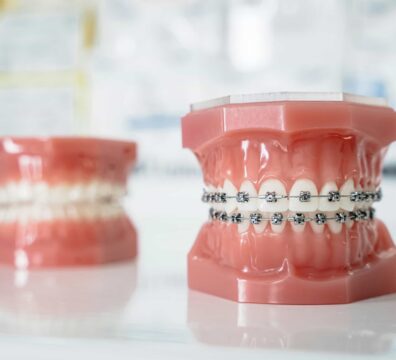
Losing a tooth can affect your appearance, chewing, speech, and the health of the surrounding teeth. Dental implants offer a long-term way to replace missing teeth, but the treatment requires surgery, healing time, and a greater initial investment than some alternatives.
So, are dental implants worth it? For many patients, they can be. Implants can restore chewing ability, support a natural-looking crown or denture, help maintain the jawbone, and improve quality of life. However, their value depends on your oral health, treatment needs, expectations, and ability to maintain them properly.
Important note: This article is for general informational purposes only and does not replace professional dental advice, diagnosis, or treatment.
What Are Dental Implants?
A dental implant is a medical device surgically placed into the jawbone to replace the root of a missing tooth.
An abutment connects the implant to the visible restoration placed above the gums. Depending on the treatment plan, the implant can support:
- A single dental crown
- A bridge replacing several teeth
- A fixed full-mouth restoration
- An implant-supported removable denture
How Can Dental Implants Benefit Me?
Dental implants can provide both functional and cosmetic benefits.
Because the implant is placed in the jaw, it can provide stable support for the replacement tooth. This may make chewing feel more comfortable and secure than with a restoration that moves over the gums.
Dental implants may also:
- Restore the appearance of missing teeth
- Improve chewing ability
- Help preserve the surrounding jawbone
- Support the health of nearby bone and gums
- Help keep adjacent teeth stable
- Support crowns, bridges, or removable dentures
- Improve confidence and quality of life
How Are Dental Implants Better Than Dentures or Other Restorations?
Dental implants are not automatically better than every other tooth-replacement option. However, they offer several advantages over other restorations.
| Comparison Point | Dental Implants | Removable Dentures | Conventional Dental Bridges |
| Stability | Implants can provide strong support and stability for fixed or removable replacement teeth. | Traditional dentures rest on the gums and may move while eating or speaking. | Bridges remain fixed by relying on the neighboring teeth for support. |
| Effect on Neighboring Teeth | A single implant can replace one missing tooth without requiring support from the teeth beside the gap. | Partial dentures may use the remaining teeth for support, depending on their design. | The neighboring teeth are usually prepared to support the bridge. |
| Replacement of the Tooth Root | Implants replace the missing tooth root as well as support the visible replacement tooth. | Dentures replace the visible missing teeth but do not replace their roots. | Bridges fill the visible gap but do not replace the missing tooth root. |
| Jawbone Support | The implant interacts with the surrounding jawbone and helps maintain support in the treated area. | Dentures rest over the gums and do not provide the same type of stimulation to the jawbone. | Bridges do not replace the missing tooth root or provide direct stimulation to the bone beneath the gap. |
| Surgery Required | Implant placement requires a surgical procedure and sufficient oral and general health. | Dentures usually do not require surgery unless they are implant-supported. | Conventional bridges do not require surgery. |
| Who May Prefer It? | Patients looking for a long-term replacement and who are suitable for implant treatment. | Patients who cannot or do not want to undergo surgery or prefer a removable option. | Patients seeking a fixed option who may not be suitable for, or may not prefer, implant surgery. |
Are Dental Implants Necessary?
Dental implants are not necessary in every case.
A missing tooth can be replaced with a bridge or a removable denture too.
Also, some spaces may not require immediate replacement, although leaving a gap can sometimes affect chewing, nearby teeth, or the supporting bone.
Implants may be recommended when you want a stable replacement for one or more missing teeth and have enough healthy bone and gum support.
They may also help patients who struggle with loose removable dentures.
The dentist should assess the complete condition of your mouth before deciding whether implants are necessary or whether another treatment could achieve a suitable result.
Learn about the types of dental implants
Are Dental Implants Permanent?
The dental implant body is designed to remain securely within the jawbone as a long-term replacement for a missing tooth root.
At Al Fawzy Dental, we understand that patients often have concerns about the longevity of their dental implants.
That’s why we provide lifetime warranties with our implant treatments, giving you greater confidence and peace of mind.
To help maintain the health and stability of your implants, we recommend regular follow-up visits every 6 months. During these appointments, our dental team will:
- Monitor healing and the tissues surrounding the implant.
- Help maintain healthy gums and supporting tissues.
- Check the implant-supported prosthesis and make any necessary adjustments or fixation.
With good oral hygiene and regular implant follow-ups, dental implants are designed to be a long-term treatment that can last a lifetime.
What Does the Dental Implant Process Look Like at Al Fawzy Dental?
Stage One
Consultation and Treatment Planning
We begin by assessing your oral health using 3D scans and digital X-rays. We also review your medical history and discuss your needs and expectations.
Based on this assessment, we create a personalized treatment plan that identifies the most suitable implant and restoration options for your case.
Stage Two:
- Dental Implant Placement
Once the treatment plan is finalized, the dental implants are placed in the jawbone using a digital surgical guide and advanced techniques.
Temporary bridges made from polymethyl methacrylate (PMMA) may be fitted when appropriate, helping you maintain your appearance and continue your daily activities during the healing period.
The abutments are attached to the implants at the appropriate stage to support the final restorations and help shape the surrounding gum tissue.
- Healing and Final Restoration
Over approximately three to six months, the implants integrate with the jawbone, creating a strong and stable foundation for the replacement teeth.
Final Stage: Follow-Up and Maintenance
Regular follow-up appointments allow us to assess the implants, restorations, and surrounding tissues and make sure they remain healthy and functional.
Ongoing checkups also help us identify potential concerns early and maintain the results of your dental implant treatment for as long as possible.
Thinking about getting dental implants abroad? Read our guide to dental implants in Egypt
So, Are Dental Implants Worth It?
Dental implants may be worth considering when you want a stable, natural-looking, and long-term replacement for missing teeth.
They can improve chewing, support the jawbone, stabilize nearby teeth, and restore confidence. However, they require surgery, sufficient healing time, good maintenance, and a higher initial budget than some alternatives.
You don’t have to take our word for it, see the results for yourself.
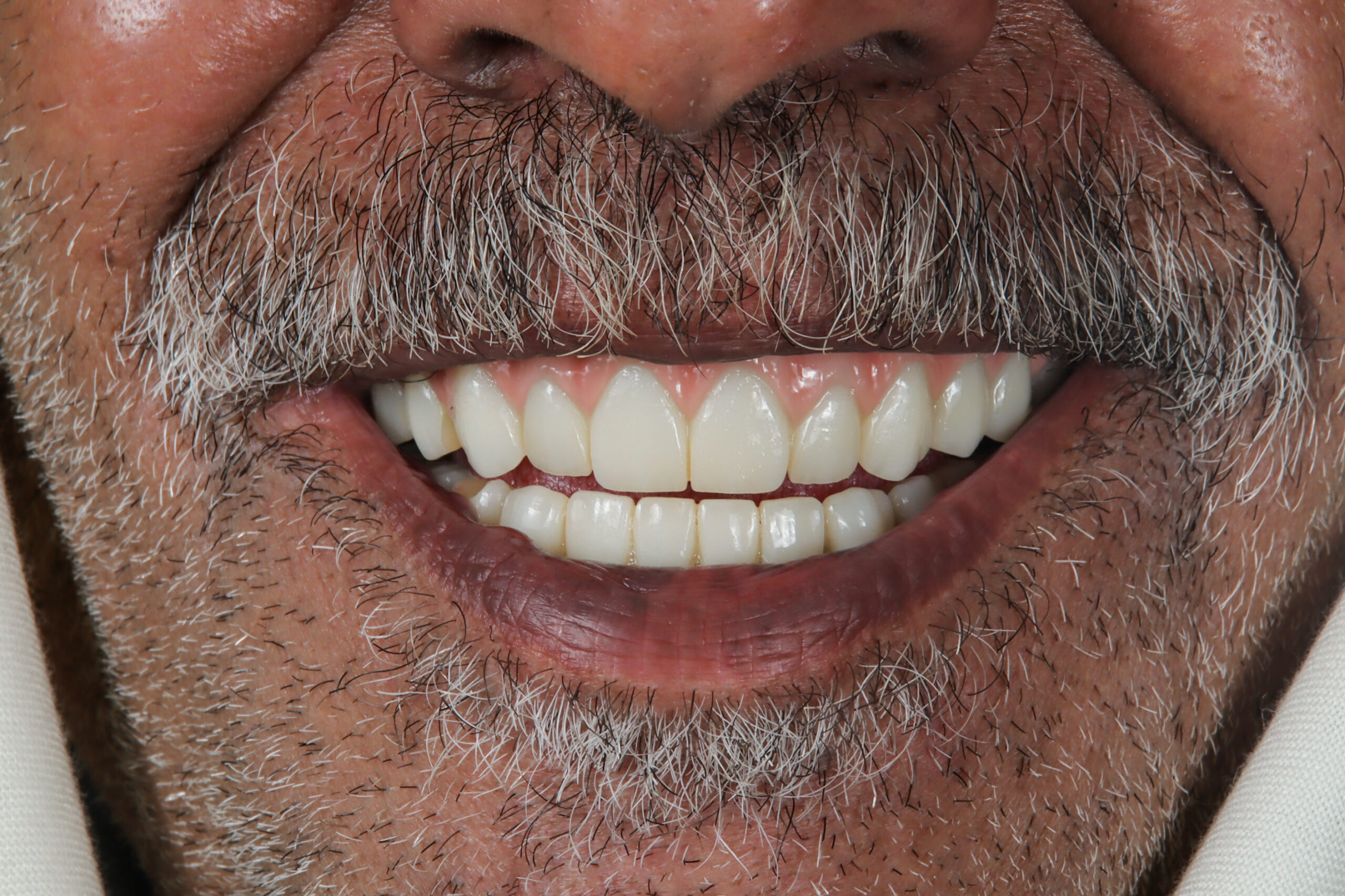
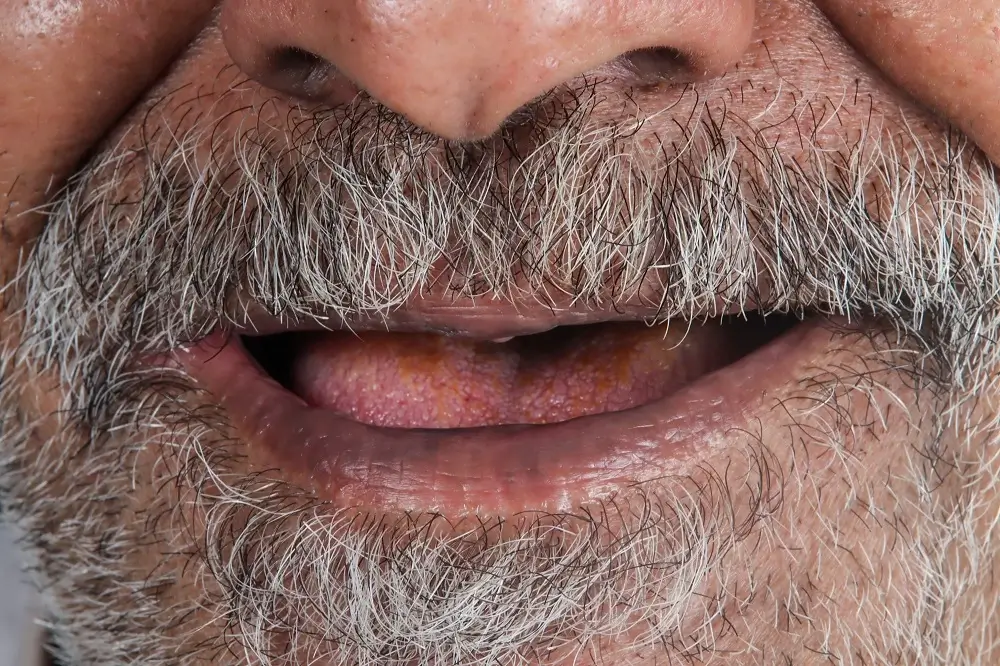
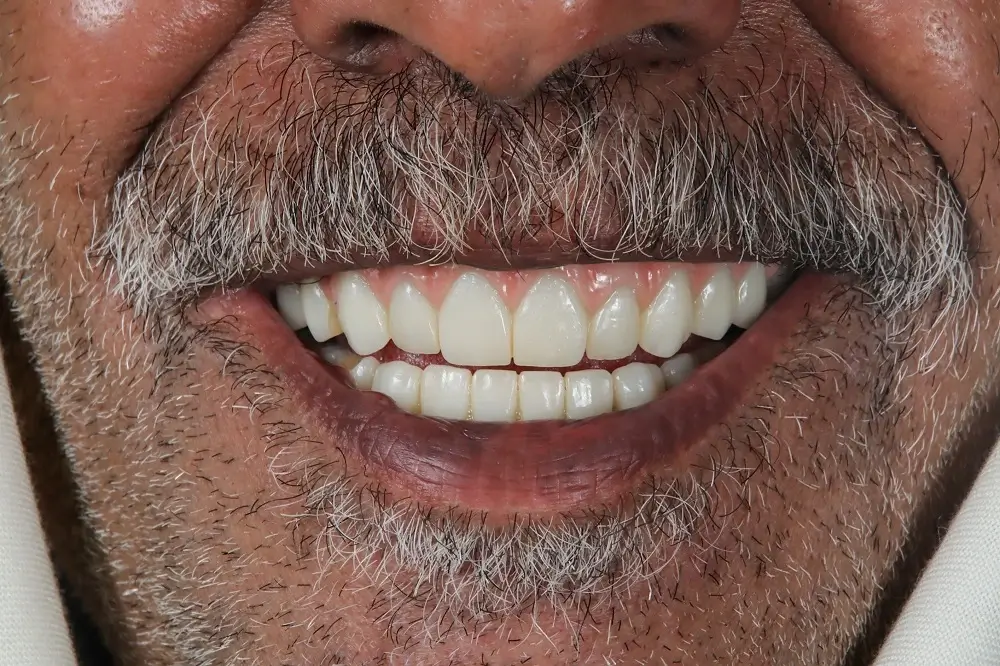
Case
Full Mouth Dental Implants
Procedure: Six upper and six lower dental implants followed by a fixed full-arch zirconia restoration.
Concern: Extensive tooth loss affecting function, comfort, and smile aesthetics.
Outcome: A fixed zirconia implant restoration restored a confident smile, comfortable chewing, and long-term function.
At Al Fawzy Dental, we assess your teeth, gums, jawbone, general health, and treatment goals before recommending implants. Patients can begin with an online consultation, whether they live in Egypt or are travelling from abroad. Treatment is available at our Agouza and New Cairo branches, with planning and support provided throughout the process.
Book your appointment today with Al Fawzy Dental.
Frequently Asked Questions (FAQs)
Are Dental Implants Dangerous?
Dental implants are widely used and generally safe. However, they involve surgery and are not free from risk.
Possible complications include infection, delayed healing, injury to nearby teeth or tissues, sinus involvement, nerve irritation, difficulty cleaning around the implant, loosening of implant components, and implant failure.
These risks do not mean implants are generally dangerous. They mean that careful assessment, suitable case selection, sterile surgical procedures, accurate placement, and proper follow-up are essential.
Before treatment, your dentist should explain the expected benefits, possible risks, implant system, healing period, and available alternatives.
Are Dental Implants Expensive?
Dental implants usually have a higher initial cost than removable dentures or some other tooth-replacement options.
However, asking whether dental implants are expensive requires considering the complete treatment rather than the implant alone.
The final cost may depend on:
- The number of missing teeth
- The number of implants required
- The type of final crown, bridge, or denture
- The health of the gums and jawbone
- Whether bone grafting is needed
- Whether temporary teeth are required
- The implant system and restorative material
- Additional dental treatment
- The complexity of the case
Implants may represent good long-term value when they improve function, stability, comfort, and confidence. However, a more affordable treatment may be appropriate when it can safely meet the patient’s needs.
A consultation is required before receiving an accurate treatment plan and cost estimate.