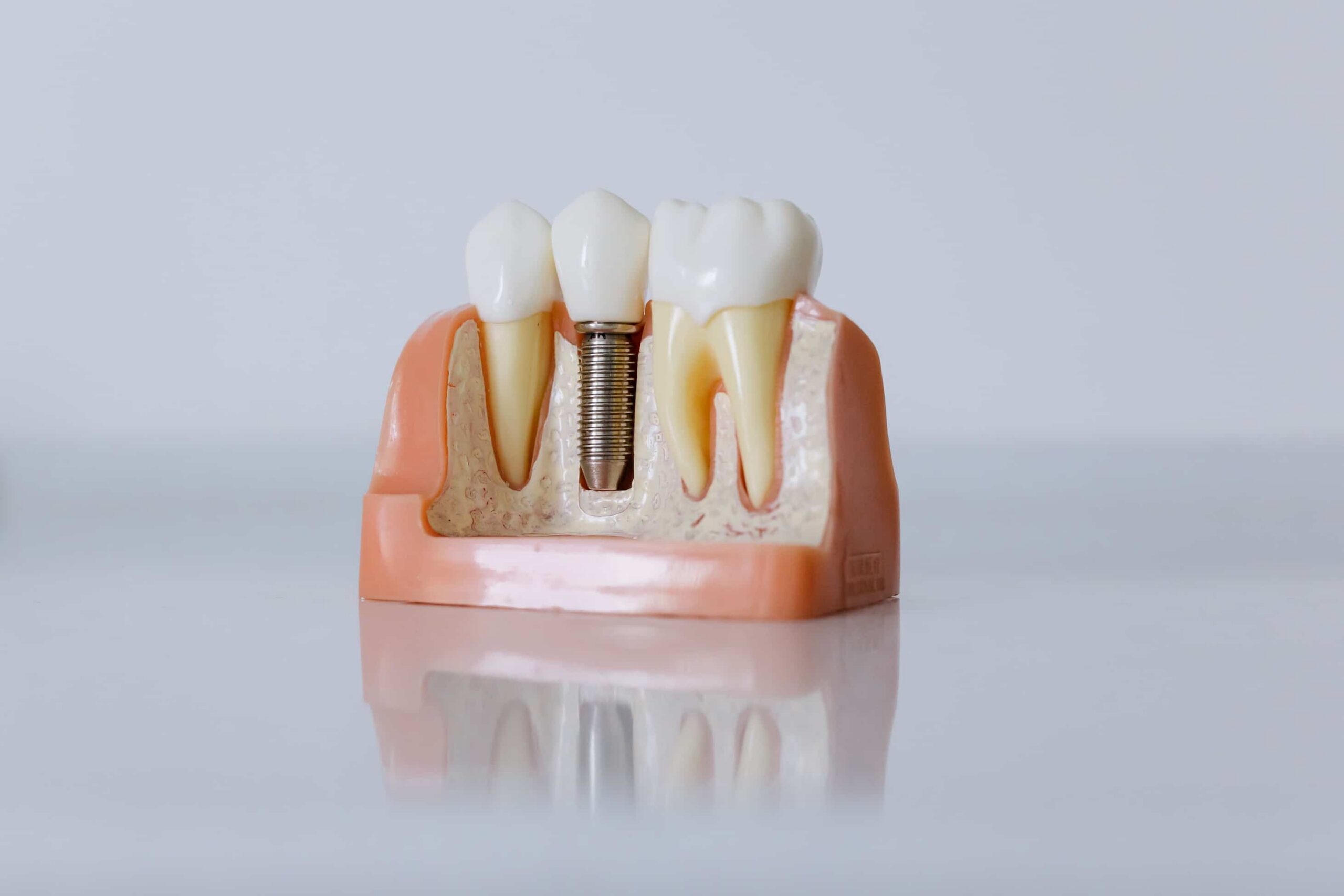
Dental implant surgery is a surgical procedure used to replace missing teeth with a natural-looking replacement. Dental implants have helped and continue to help a lot of patients worldwide, but not all dental implants are created equal.
Dental implants can be classified into different types according to five major classifications: 1. Implant Placement 2. Number of Teeth Being Replaced 3. Treatment Timing 4. Restoration Placed Over the Implant 5. Material Used.
Different Types of Dental Implants
1. Types of Dental Implants Based on Implant Placement
Dental implants vary according to the technique and bone area in which the implants are placed. They are typically divided as follows:
- Endosteal dental implants: The most common type of dental implants. They are placed directly into the jawbone.
- Maxillary dental implants: Placed in the bones of the upper jaw, also known as the maxilla.
- Mandibular dental implants: Placed in the bones of the lower jaw, also known as the mandible.
- Pterygoid dental implants: Placed in the pterygoid region of the upper jaw.
- Zygomatic dental implants: Anchored in the cheekbone and are mostly used in cases of severe bone loss in the upper jaw.
2. Types of Dental Implants Based on the Number of Teeth Being Replaced
The number of implants needed depends on the number of missing teeth and the size of the area that needs to be restored.
Single-tooth implant: Used to replace one missing tooth.
Implant-supported bridge: Used to replace several missing teeth without placing a separate implant for every missing tooth.
Full arch dental implant restoration: Used to replace all teeth in the upper or lower jaw. This can be done using different techniques depending on the number of implants used for support. The subtypes of full-arch restorations are typically called “All-on-X”, where X refers to the number of dental implants that anchor the arch.
All-on-4 Dental Implants: A full arch of artificial teeth supported by four dental implants.
All-on-6 Dental Implants: A full arch of artificial teeth supported by six dental implants.
All-on-8 Dental Implants: A full arch of artificial teeth supported by eight dental implants.
3. Types of Dental Implants Based on Treatment Timing
Tooth implant treatment can also be classified according to the timing of implant placement.
Immediate implant placement: The implant is placed immediately after tooth extraction.
Conventional or delayed implant placement: The implant is placed after a healing period, allowing the bone and gum tissue to recover before implant placement.
The choice between immediate and conventional implant placement depends on the dentist’s assessment and the patient’s condition. Immediate implants may be suitable for some patients, but they are not for everyone.
4. Types of Dental Implants Based on the Restoration Placed Over the Implant
After the implant is placed, a dental restoration is attached to the implant in order to restore the function and appearance of the missing teeth. These restorations usually include one or more of the following:
Dental crown: Used to replace a single missing tooth.
Implant-supported bridge: Used to replace several missing teeth.
Fixed implant-supported denture: Used to replace a full arch of teeth. It is fixed in place and cannot be removed by the patient.
Removable implant-supported denture: Also known as an implant overdenture, this is a removable denture attached to dental implants. It provides better stability than a traditional removable denture while still allowing the patient to remove it for cleaning.
5. Types of Dental Implants Based on the Material Used
Dental implants are made from materials that are biocompatible with the body. The most commonly used materials are titanium and zirconia.
Titanium dental implants: These are the most widely used dental implants. They are known for their durability and excellent ability to integrate with the bone.
Zirconia dental implants: Another option that may be suitable for some patients, especially those looking for a metal-free alternative or a more aesthetically pleasing option, as zirconia is white and closer in color to natural teeth.
Types of Dental Implants at Al Fawzy Dental Clinic
At Al Fawzy Dental Clinic, we offer full dental implant services using All-on-4, All-on-6, and All-on-8 techniques.
Our treatment plan involves three stages directed at providing top care for our patients.
Stage One: Consultation and Initial Planning
We start by reviewing your medical history and assessing your oral health using 3D scans and digital X-rays in order to create a personalized plan for your specific case.
Stage Two: Dental Implant Placement
After finalizing the treatment plan, we proceed to dental implantation, where the implants are placed in the jawbone using a digital surgical guide and advanced techniques. The abutments are then attached to the implants at the appropriate stage to support the final restorations and allow proper healing.
Custom-made permanent bridges are then placed to provide an ideal fit and a natural appearance.
Final Stage: Follow-Up
Over the next three to six months, the implants should naturally integrate with the bone to create a durable foundation for your new teeth.
Afterwards, regular follow-ups help us make sure the implants and surrounding tissues are healthy and functional and allow us to detect any problem earlier.
Stop Worrying about Your Smile
At Al Fawzy Dental, our services are designed to help you feel comfortable and confident with your teeth and smile. So don’t hesitate and book your appointment today at Al Fawzy Dental.