

Orthodontics
Orthodontics is a branch of dentistry focused on diagnosing, preventing, and treating dental and facial irregularities. Its main goal is to create a healthy, functional bite and an aesthetically pleasing smile.
At Al Fawzy Dental, we provide high-quality orthodontic care by qualified orthodontists using advanced techniques and a range of modern treatment options.
Book your consultation today and take the first step toward a healthier bite and a confident smile.
What Is Orthodontics?
Orthodontics is a specialized field of dentistry that focuses on the diagnosis, prevention, and treatment of dental and facial irregularities, particularly those involving the alignment of the teeth and jaws.
Orthodontic treatment aims to achieve a healthy and functional bite while improving the appearance and alignment of your smile.
Types of Orthodontic Treatment
Orthodontic treatment can generally be divided into two main categories:
- Fixed orthodontic treatments
- Removable orthodontic treatments
Each type has its own benefits and drawbacks. A treatment option that is suitable for one patient may not be the best choice for another.
Fixed Orthodontic Treatments
Metal Braces (Traditional Braces)
Metal braces are among the most common orthodontic treatment options. They use metal brackets, which are bonded to the teeth, along with orthodontic wires to gradually move the teeth into their correct positions.
Metal braces can be used to treat a wide range of dental and bite problems, including more complex cases. They remain one of the most versatile and reliable treatment options in orthodontics.
Ceramic Braces
Ceramic braces work in a similar way to metal braces, but the brackets are tooth-colored or closely matched to the natural shade of the teeth. This makes them less noticeable when smiling.
They are a suitable option for patients who want fixed orthodontic treatment with a less visible appearance.
Lingual Braces
Lingual braces are fitted to the inner surfaces of the teeth, so they are not visible from the outside when you smile.
They can be a suitable choice for patients who want fixed treatment that is less visible. However, they may take time to get used to and may not be suitable for everyone.
Removable Orthodontic Treatments
Removable orthodontic treatments can be taken out by the patient. One of the most well-known options in this category is clear aligners.
Clear Aligners
Clear aligners, also called invisible teeth braces, are a modern orthodontic treatment system usually made from medical-grade plastic. They are designed to gradually move the teeth into their correct positions.
Each set of aligners is custom-made for the patient using 3D digital scanning technology. The aligners are typically changed every one to two weeks according to the orthodontist’s treatment plan.
Clear aligners are commonly suitable for mild to moderate alignment problems, including spacing, crowding, and other minor bite issues. In some cases, they may also be appropriate for more complex treatment needs after assessment by an orthodontist.
Conditions That May Require Orthodontic Treatment
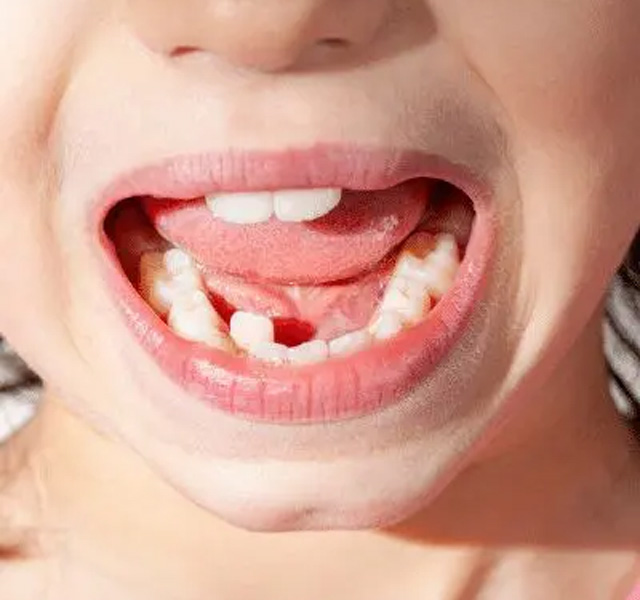
Crowding
When there isn’t enough space in the jaw for all the teeth to fit properly, leading to overlapping teeth.
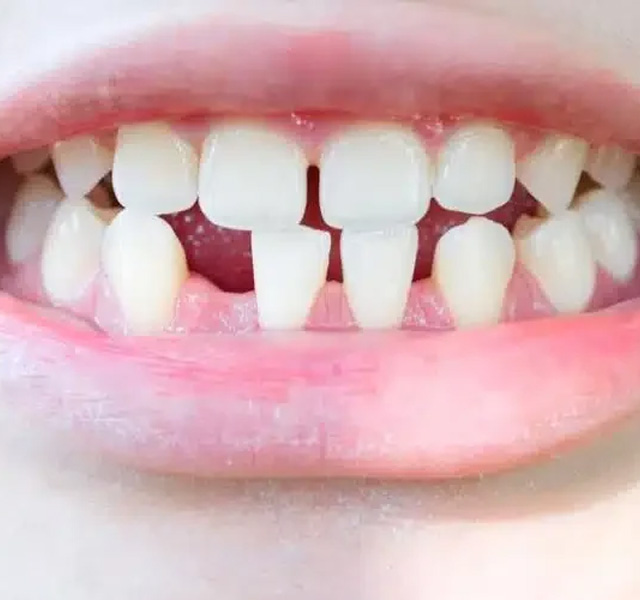
Spacing Issues
Gaps between teeth can occur due to missing teeth or natural spacing.
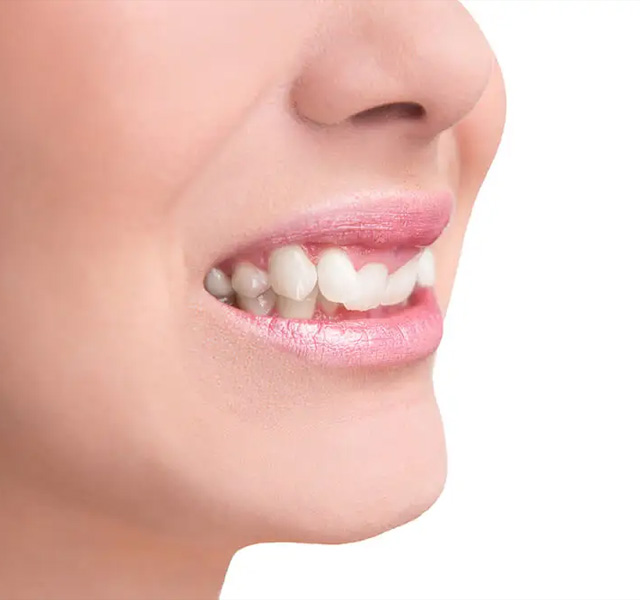
Overbite
When the upper front teeth significantly overlap the lower front teeth.
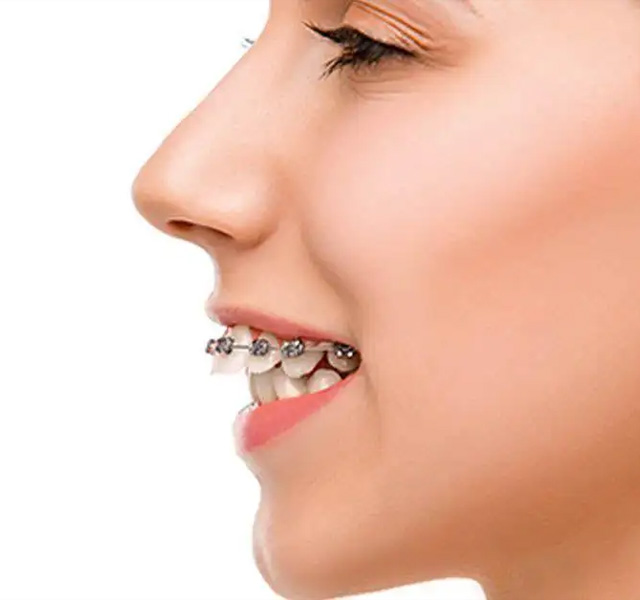
Overjet Bite
When the lower front teeth protrude beyond the upper front teeth.
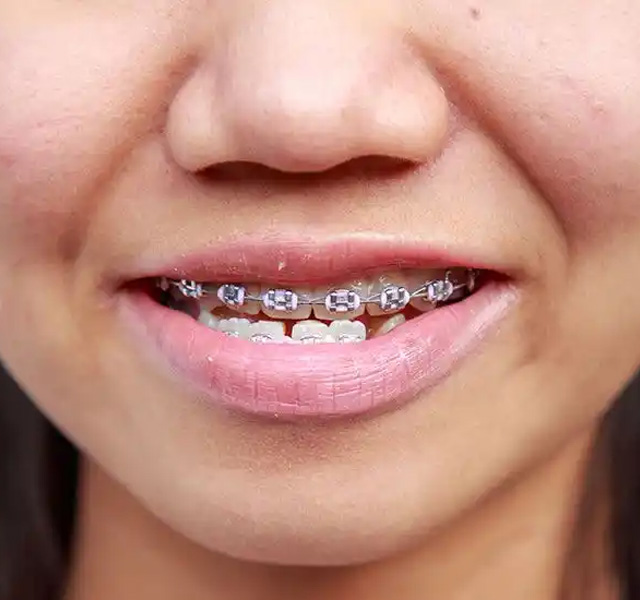
Crossbite
When some upper teeth bite inside the lower teeth, which can affect jaw alignment.
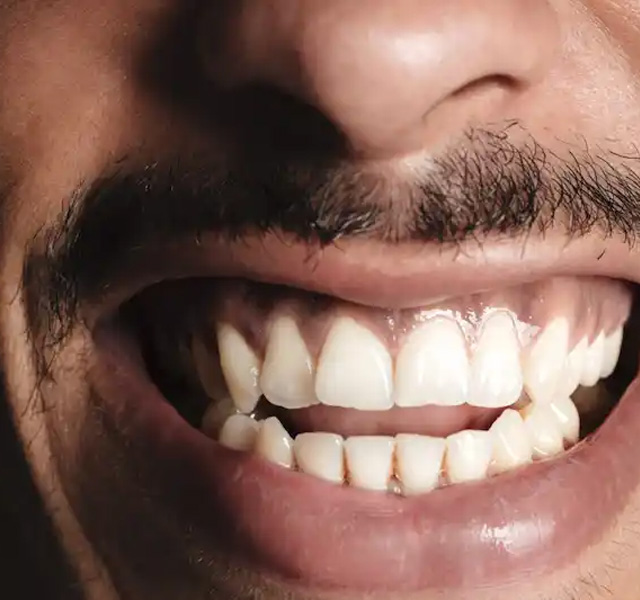
Open Bite
When there’s a gap between the upper and lower teeth when the mouth is closed.
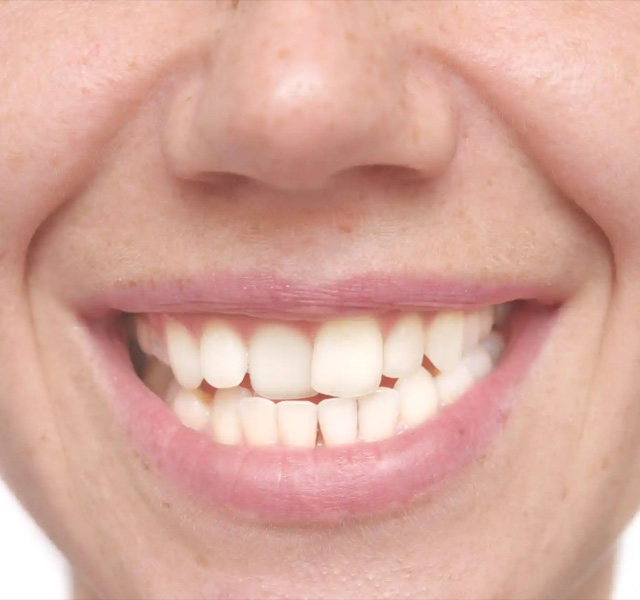
Jaw Misalignment
Issues with the jaw can cause discomfort and functional problems, often requiring orthodontic intervention.
How Can Orthodontic Treatment Help?
The benefits of orthodontic treatment go beyond improving the appearance of the smile.
It can also help improve the alignment of the teeth and jaws, make teeth easier to clean, and support better chewing and bite function.
Treating bite problems and tooth misalignment may also help reduce uneven tooth wear and make overlapping areas easier to clean
Who Is a Candidate for Orthodontic Treatment?
If you have concerns about the alignment of your teeth or jaws or experience any of the problems mentioned above, orthodontic treatment may be appropriate for you.
However, there is no single set of criteria that applies to every patient. An orthodontist will determine whether treatment is suitable after examining your teeth and jaws.
In general, the teeth and gums should be healthy, and any tooth decay or gum problems should be treated before orthodontic treatment begins.
Orthodontic Care Essentials
What are the key considerations for patients undergoing orthodontic treatment?
Orthodontic treatment is an important step toward improving tooth alignment, oral health, and self-confidence. Before starting treatment, it is important to understand the factors that may affect your experience and final results.
01
Age
Although orthodontic treatment is often associated with teenagers, adults can also undergo orthodontic treatment successfully.
02
Duration of Treatment
The duration of orthodontic treatment varies from case to case. It may range from several months to a few years, depending on the complexity of the condition and the type of treatment used.
03
Cost
The cost of orthodontic treatment depends on the type of appliance used and the complexity of the case.
04
Oral Hygiene
Maintaining good oral hygiene during orthodontic treatment is essential, especially with fixed braces. Proper cleaning helps reduce the risk of tooth decay and gum problems.
05
Lifestyle
Patients may need to make certain changes to their daily habits, such as avoiding hard or sticky foods and following a dedicated routine for cleaning their teeth and orthodontic appliances.
At Al Fawzy Dental, we focus on helping our patients understand the treatment process and the key factors that may affect their experience and outcome. Informed consent is an essential part of every treatment we provide.
Orthodontic Care at Al Fawzy Dental
Dental problems can affect oral health, overall wellbeing, and quality of life.
At Al Fawzy Dental, we strive to provide a safe and reassuring orthodontic treatment experience based on informed consent and a clear understanding of every stage of care.
If you have concerns about your teeth or jaws, do not hesitate to contact us. Book your consultation today through our website.
Everything You Need to Know
FAQs about Orthodontics
At what age should my child see an orthodontist?
The American Association of Orthodontists recommends that children have their first orthodontic evaluation by age 7. Early assessment can identify potential issues that may require monitoring or early intervention.
What types of braces are available?
Common types of braces include:
• Traditional metal braces
• Ceramic braces
• Lingual braces (behind the teeth)
• Clear aligners (like Invisalign)
How long does orthodontic treatment take?
Treatment duration varies based on individual needs but typically lasts between 6 months to 3 years. Factors include the complexity of the case and the type of treatment used.
Are braces painful?
Some discomfort is common after braces are initially placed or adjusted, but it usually subsides within a few days. Over-the-counter pain relief can help manage discomfort.
How do I care for my teeth with braces?
Good oral hygiene is essential. Brush after meals, floss daily, and use an antibacterial mouthwash. Special cleaning devices, like orthodontic toothbrushes or floss threaders, can help.
Can adults get braces?
Yes! Many adults seek orthodontic treatment, and options like clear aligners and ceramic braces are particularly popular for those concerned about aesthetics.
What can i eat on the first day after getting braces?
On the first day after braces are fitted, it is best to choose soft, easy-to-chew foods such as yoghurt, soup, mashed potatoes, rice, pasta, and eggs.
Avoid hard or crunchy foods until the initial discomfort settles.
Can braces cause bad breath?
Braces do not directly cause bad breath. However, food particles may collect around the brackets and wires if the teeth are not cleaned properly, which can lead to an unpleasant smell.
Good brushing and cleaning after meals are important throughout treatment.
How long can orthodontic treatment take?
There is no fixed maximum duration for orthodontic treatment. The treatment time depends on the complexity of the case, the type of appliance used, and the patient’s compliance.
Some complex cases may take more than three years, particularly when additional stages of treatment are needed.
What is a retainer, and why do I need one?
A retainer is an appliance worn after orthodontic treatment to maintain teeth in their new positions. It's crucial for preventing relapse and ensuring long-term results.
What should I avoid while wearing braces?
Avoid hard, sticky, or chewy foods that can damage braces. Common examples include popcorn, hard candies, and chewing gum.
Will my insurance cover orthodontic treatment?
Coverage varies by plan. Many dental insurance plans include some orthodontic benefits, but it’s best to check with your provider for specifics.
What if I miss an appointment?
It's essential to reschedule missed appointments promptly to ensure your treatment stays on track. Regular adjustments are crucial for effective progress.
Can braces correct my bite?
Yes, orthodontic treatment can effectively address bite issues, including overbites, underbites, crossbites, and open bites.
What happens if I don’t get treatment?
Ignoring dental misalignments can lead to more severe issues over time, including difficulty chewing, jaw pain, and increased risk of cavities and gum disease.
Which is better: clear aligners or metal braces?
There is no single option that is best for everyone.
Clear aligners are often suitable for mild to moderate cases and for patients who prefer a less visible treatment option. Metal braces are effective for a wide range of cases, especially more complex orthodontic problems.
At Al Fawzy, our orthodontists will recommend the most appropriate option after examining your teeth and bite.
Do braces require anaesthesia?
Braces do not usually require anesthesia, as fitting them is not a surgical procedure.
Will orthodontic treatment change my face shape?
Some patients may notice minor changes in their smile or lip support after treatment, especially when bite or jaw problems are involved.
However, it is not possible to predict a specific facial change, as this depends on the individual case and treatment plan.