

Dental Crowns
A dental crown, also known as a tooth crown, is a fixed restoration that covers the visible part of a tooth to protect it and restore its shape and function when the tooth is too damaged or weakened for a traditional filling to provide enough support.
Dental crowns help protect teeth from further damage while restoring a natural-looking appearance, helping you maintain both your smile and your dental function.
An Overview of Dental Crowns
When a tooth is significantly damaged by decay or fractures, the dentist may need to remove the damaged tissue and protect the remaining tooth from further cracking or breaking. And this is where dental crowns help.
A dental crown is designed to restore the balance between natural appearance and function. It surrounds the visible portion of the tooth, helping it look more natural while protecting the remaining tooth structure and improving its ability to function properly.
But exactly when might you need a tooth crown?
When Do You Need a Dental Crown?
The dentist can recommend dental crowns in situations such as:
- A large crack or fracture in the tooth
- Loss of a significant amount of tooth structure due to decay or old fillings
- Protecting certain teeth after root canal treatment
- Severe tooth wear
- Replacing an old or poorly fitting crown
- Improving the appearance of a tooth that requires full coverage
- Placing a crown after a dental implant procedure
Happy Patients
Dental Crowns Before and After
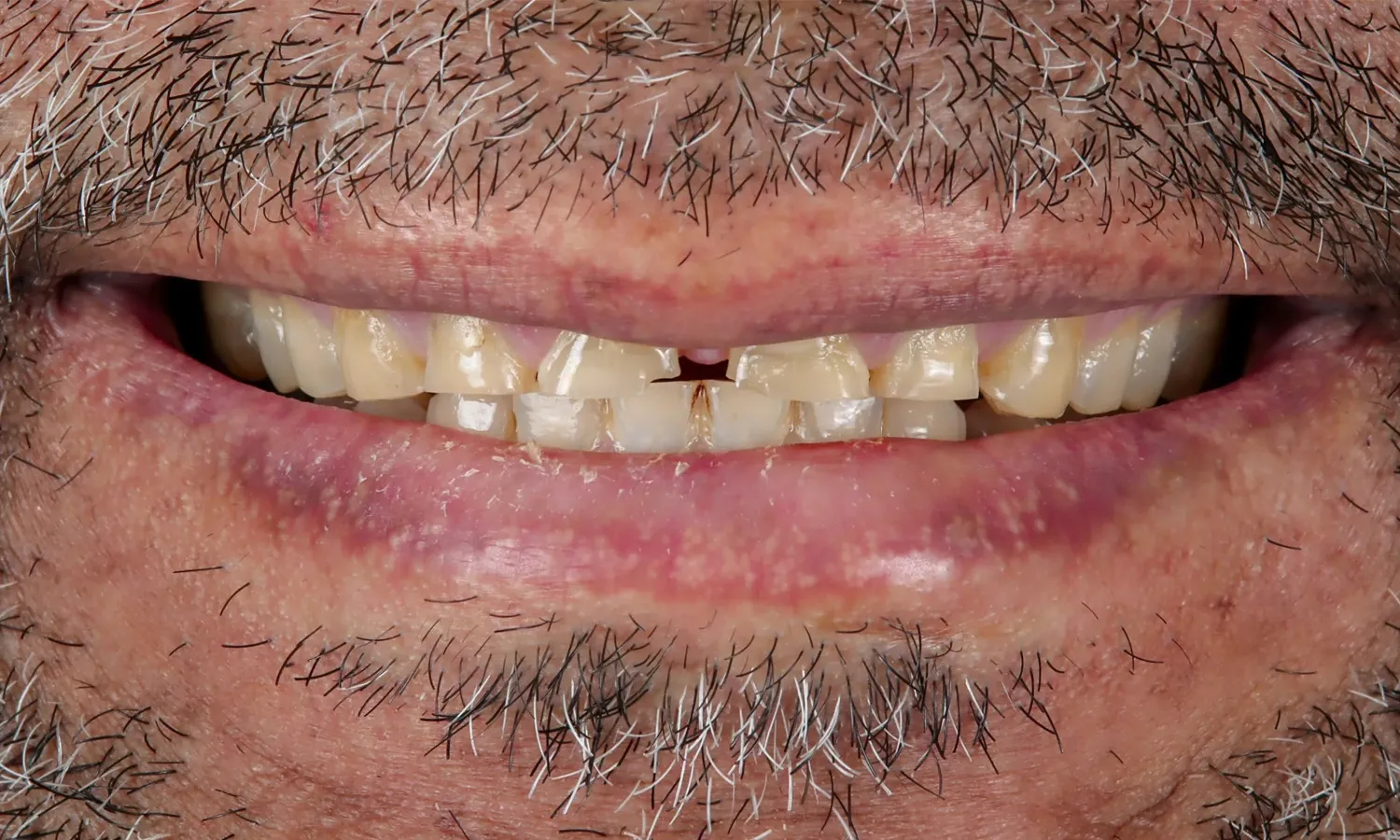
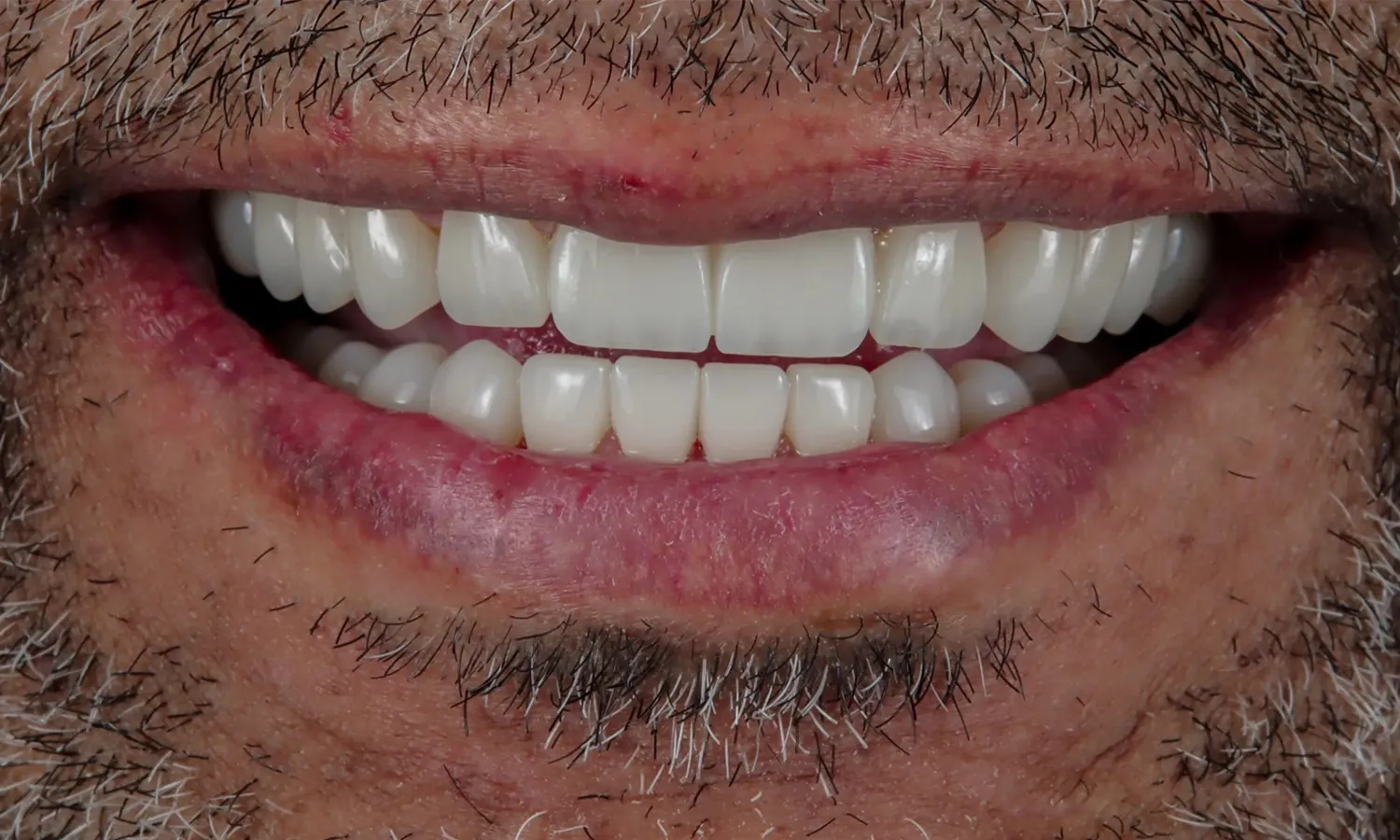
Case 1: Full Mouth Rehabilitation
This patient had multiple chipped teeth, which affected both the function and appearance.
Our treatment involved the necessary root canal treatments, followed by zirconia crowns to protect the remaining tooth structure and restore a natural-looking appearance.
Here’s a before and after look at the transformation:
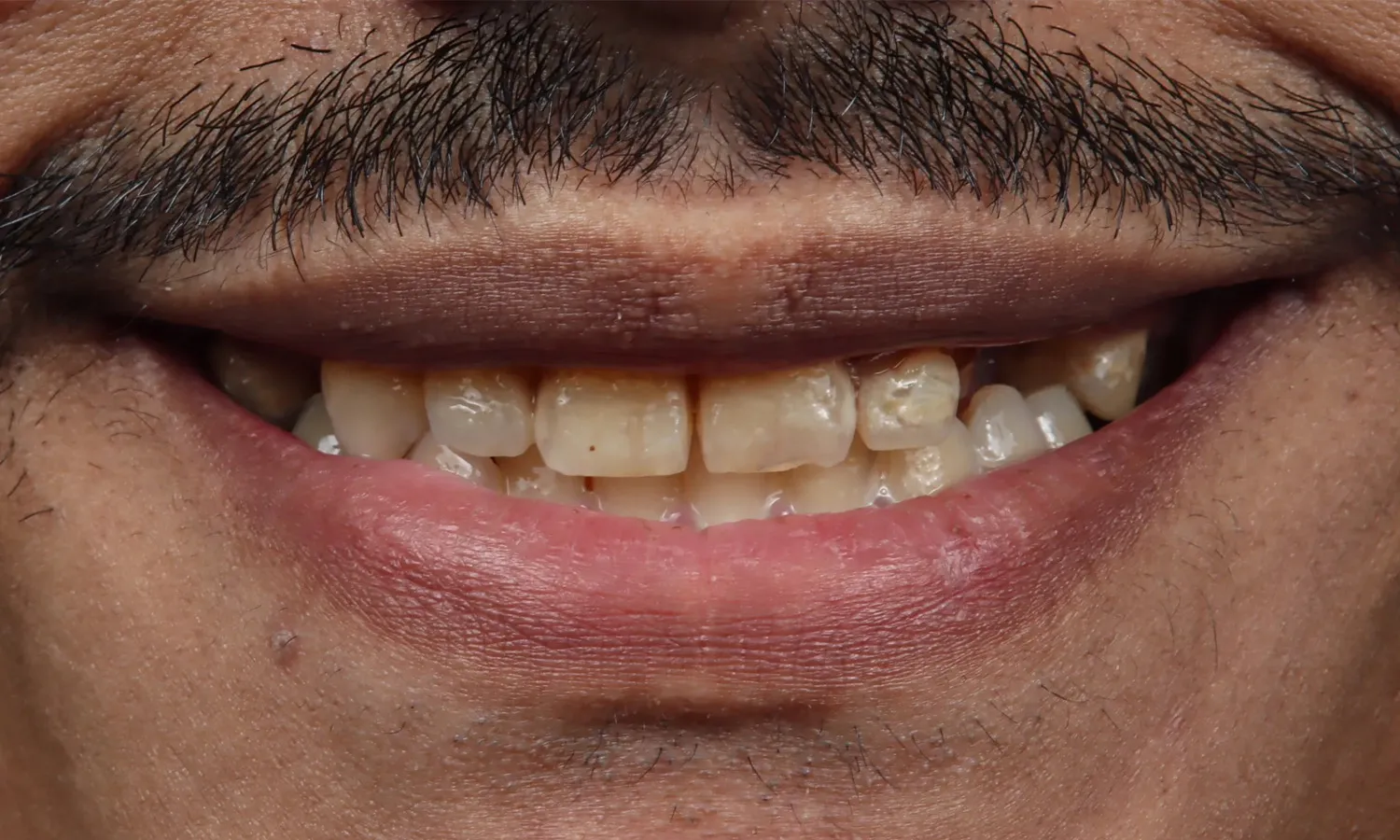
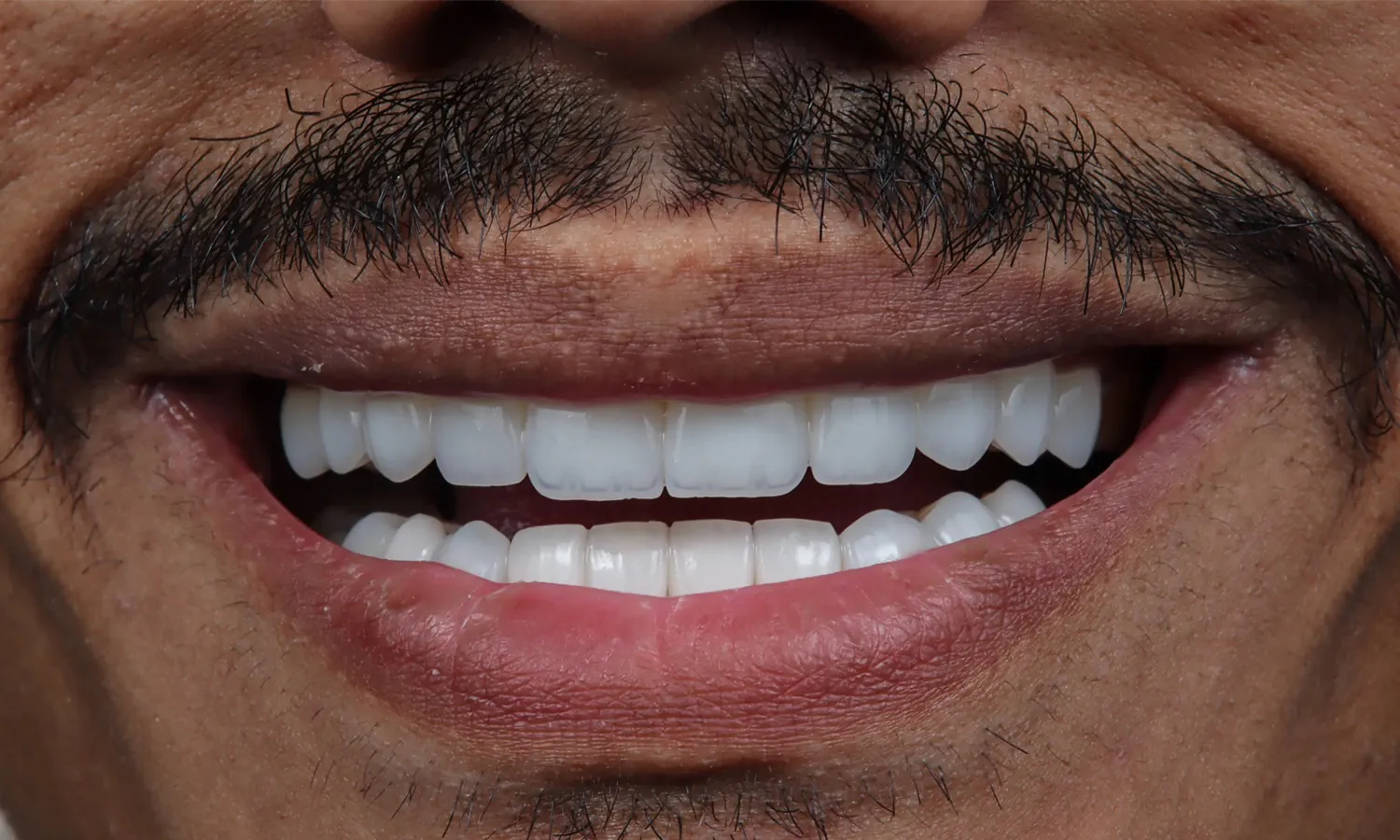
Case 2: Smile Makeover
This patient was unhappy with tooth discoloration and the uneven appearance of previous restorations.
Our treatment involved removing the old restorations and replacing them with E-max crowns to improve the color, shape, and overall harmony of the smile.
Here’s a before and after look at the transformation:
Step by Step
Dental Crown Procedure at Al Fawzy
Once the dentist identifies the cause of your dental problem, they will examine the tooth to determine whether you need a dental restoration. If a crown is the appropriate option, the crown procedure can begin.
At Al Fawzy Dental, the examination and dental crown procedure include the following:
01
Examination and Consultation
The dentist examines the tooth, gums, surrounding teeth, and your bite. X-rays may also be requested to evaluate the root and bone and to check for decay or inflammation beneath old fillings or restorations.
The first goal is to determine whether the tooth actually requires a crown or whether more of the natural tooth structure can be preserved using another treatment.
02
Choosing the Type of Dental Crown
The appropriate material is selected according to the location of the tooth, the amount of strength required, aesthetic considerations, and your personal preferences after the available options have been explained.
Options we offer at Al Fawzy include zirconia, ceramic, E-max, and Zircomax.
03
Preparing the Tooth
Local anesthesia is used when necessary. The tooth is then carefully prepared to create enough space for the crown while preserving as much healthy natural tooth structure as possible.
04
Taking a Digital Scan
The shape of the tooth, neighboring teeth, and bite is recorded using a digital scan so that the dental crown can be manufactured to the appropriate dimensions and provide a comfortable fit.
05
Placing a Temporary Crown
If you need to wait while the final crown is being manufactured, a temporary crown can be placed to protect the tooth and maintain its appearance and function during this period.
06
Trying and Fitting the Final Crown
Before permanently securing the crown, we check:
- The accuracy of the fit
- Contact with neighboring teeth
- Bite and occlusion
- Color and shape
- Its relationship with the gums
- Patient comfort
Once any necessary adjustments have been completed, the crown is permanently secured.
In some cases, follow-up appointments are recommended to make sure the crown continues to look and function properly and to monitor your overall oral health.
For additional reassurance, we provide a warranty on the treatments we offer our patients.
Dental Crown Benefits
What Are the Benefits of Dental Crowns?
The purpose of dental crowns is to preserve damaged teeth while restoring their function and appearance as closely as possible to their natural condition.

Protecting a Weak Tooth
A crown covers the visible portion of the tooth, helping protect the remaining structure when the tooth has been significantly damaged.

Restoring Chewing Function
A properly designed and fitted tooth crown can restore the shape of the tooth and its relationship with the opposing teeth, helping improve chewing function.
Improving the Appearance of a Tooth
The color, shape, and dimensions of dental crowns can be adjusted to coordinate with surrounding teeth, particularly when a tooth is visibly damaged or significantly different in appearance.
Replacing Old Dental Crowns
If an existing restoration is damaged or does not fit properly in terms of appearance or bite, the tooth underneath it can be evaluated and treated if necessary before a new crown is placed.
Types of Dental Crowns
What Are the Different Types of Dental Crowns?
Different types of dental crowns have different characteristics. Each material offers specific benefits that can make it more suitable for a particular person or clinical situation.
Historically, gold alloys were among the traditional materials used for dental restorations because of their strength and compatibility with the oral environment.
But with the development of materials such as zirconia and modern ceramics, other types of dental caps have become more common, particularly when achieving a natural tooth shape and color is an important part of treatment.
Zirconia Dental Crowns
Zirconia is known for its high strength, which makes it suitable for many situations where a crown needs to withstand significant chewing pressure.
Benefits include:
- High strength and durability
- No traditional metal substructure
- Can be designed in shades and shapes that closely resemble natural teeth
- Suitable for many back teeth and some front teeth, depending on the type of zirconia and the design
Porcelain-Fused-to-Metal Crowns
This type of dental crown consists of a metal base covered with a layer of porcelain.
It can provide good strength in many situations.
However, the metal margin can become visible over time if gum recession occurs. For this reason, metal-free dental caps for teeth may be more suitable in certain highly visible areas of the smile.
Zircomax Dental Crowns
Zircomax crowns combine the strength associated with zirconia with the aesthetic qualities associated with E-max, with the aim of providing both durability and a natural-looking result.
This type of dental crown can be used when the treatment requires a balance between resistance to chewing forces and attention to aesthetic details, particularly when tooth shape and color are important parts of the treatment plan.
Ceramic Dental Crowns
Modern ceramic materials are widely used for dental crowns because they can provide a balance between strength and a natural appearance.
E-max Dental Crowns
E-max is a ceramic material primarily based on lithium disilicate. Its optical properties can help reproduce the translucency of natural teeth.
For this reason, E-max crowns are often used when aesthetics are especially important, particularly for front teeth.
Advantages include:
- Translucency similar to natural teeth
- Ability to match the shade of surrounding teeth
- No metal substructure
- Suitable for many cosmetic dental cases
Feldspathic Ceramic Crowns
Feldspathic ceramic has optical properties that can closely reproduce the color and translucency of natural teeth. It is therefore mainly used when achieving fine aesthetic detail is a major priority.
But careful case selection is important because its ability to tolerate chewing forces is different from stronger materials such as zirconia.
Dental Crowns Care
How to Care for Dental Crowns
After the Anesthesia Wears Off
If local anesthesia has been used, avoid eating until normal sensation returns so that you do not accidentally bite your cheek or tongue.

Caring for a Temporary Crown
If you have a temporary crown, avoid extremely hard or sticky foods and follow the dentist’s instructions until the final crown is placed.
Cleaning Your Dental Crown
Brush your teeth at least twice a day, or according to the dentist’s recommendations, and pay particular attention to the area where the crown meets the gumline.
Avoid Unnecessary Pressure
Do not use your teeth to open packages and avoid biting ice or extremely hard objects. A dental crown, like a natural tooth, can fracture or become damaged when exposed to excessive forces.
Regular Dental Checkups
Regular dental visits allow your dentist to examine the gums, crown margins, underlying tooth, and bite while identifying potential problems before they become more serious.
Transform Your Smile at Al Fawzy Dental
📍 Whether you live in Egypt or are planning to visit soon, we offer flexible treatment options designed around your own schedule and preferences.
Book your consultation with Al Fawzy Dental today and join the many patients who have trusted us with their smiles.
Everything You Need to Know
FAQs About Dental Crowns
What Is a Dental Crown?
A dental crown, also called dental caps, is a fixed restoration made to surround the visible part of a tooth. It helps restore its shape and function while protecting the remaining tooth structure.
Do Dental Crowns Require Anesthesia?
Local anesthesia is usually used while preparing the tooth to make the procedure more comfortable.
What Should I Do If My Dental Crown Feels Uncomfortable?
A crown may feel slightly unusual or uncomfortable during the first few hours after treatment while your mouth adjusts to the new restoration.
However, if the discomfort continues longer than expected, your dentist can evaluate the crown and make adjustments when necessary.
What Is the Best Type of Dental Crown?
There is no single type of dental crown that is best for every patient.
Your dentist determines the most suitable material after examining the tooth, bite, gums, and the amount of remaining natural tooth structure.
Can a Dental Crown Be Removed?
Yes. A dentist can remove a crown when there is a clinical reason to do so, such as decay underneath it, a problem with the tooth, damage to the crown itself, or the need to replace the restoration.
Can Tooth Decay Develop Under a Dental Crown?
Yes. The crown itself cannot develop tooth decay, but the natural tooth around the margins of the restoration can still develop cavities if plaque accumulates or leakage occurs around the edges.