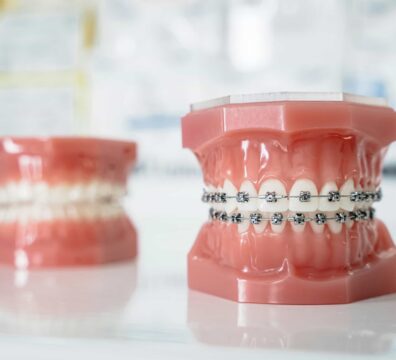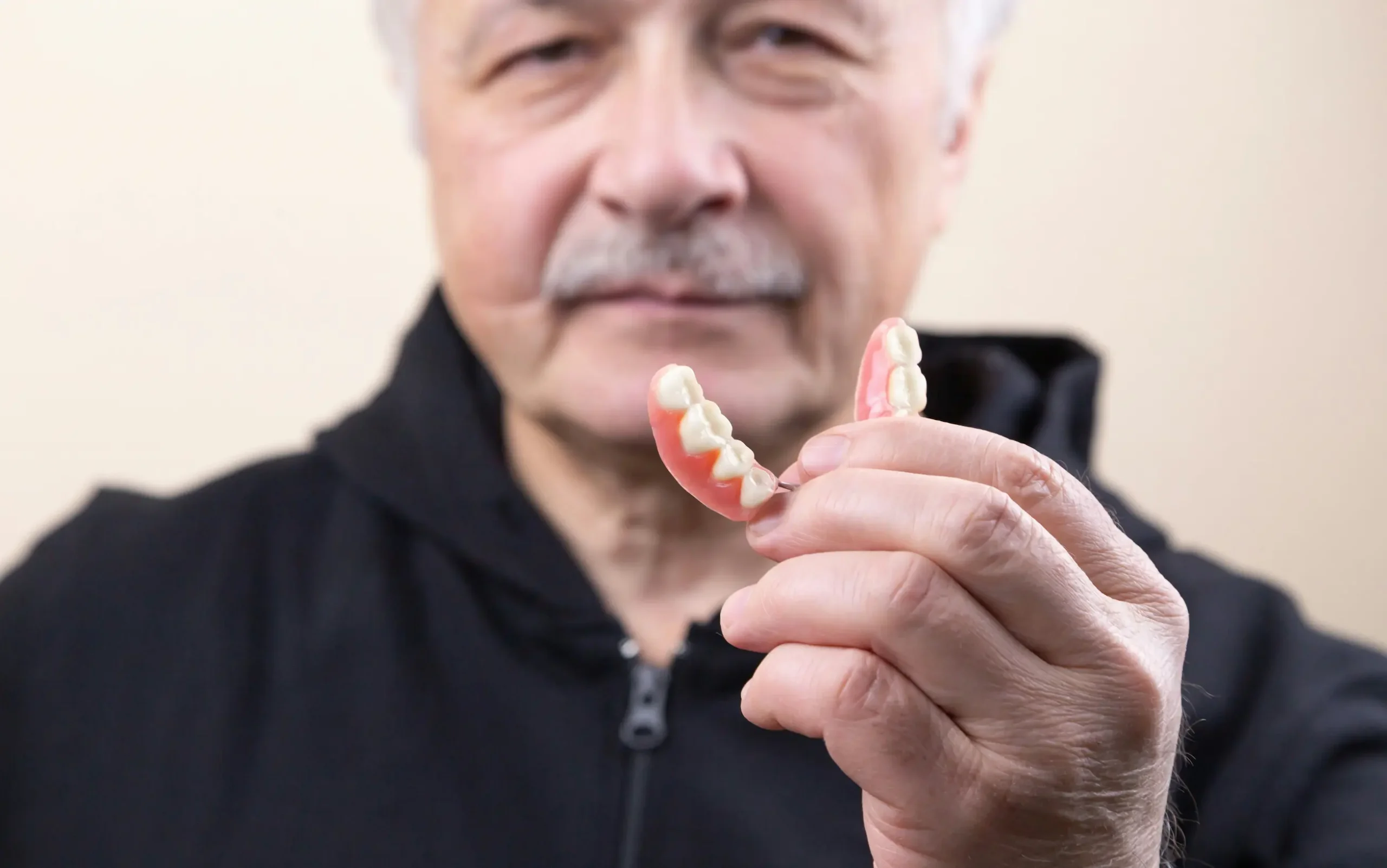
Missing teeth can affect eating, speaking, and confidence, but replacing them does not always require a fixed bridge or dental implant.
Removable dentures are false teeth designed to replace one, several, or all missing teeth. Unlike fixed restorations, they can be taken out of the mouth by the patient.
The right option depends on the number and location of the missing teeth, the condition of the remaining teeth and gums, your budget, and your treatment preferences.
A dental examination is necessary before deciding whether a removable, fixed, or implant-supported replacement is suitable for you.
Important note: This article is for general informational purposes only and does not replace professional dental advice, diagnosis, or treatment.
What Are Removable Dentures?
Removable dentures are removable dental appliances used to replace missing teeth. They can also replace some of the gum tissue surrounding the missing teeth depending on the design.
The replacement teeth are held within a removable base. The exact design of the dentures is customized according to the shape of your mouth, the remaining teeth, and the support available.
Types of Removable Dentures
Complete Dentures
Complete dentures replace all the natural teeth in the upper or lower jaw.
They are designed to rest over the tissues of the mouth and restore the visible teeth. They must be planned according to your mouth shape, jaw relationship, and overall facial appearance.
Partial Dentures
Partial dentures replace one or several missing teeth while the remaining natural teeth stay in place.
The design may include a removable base or attachments that help position the denture inside the mouth.
Removable Dentures for One Tooth
A removable partial denture may be designed to replace only one missing tooth.
It can be considered when the patient wants a non-fixed replacement or when another treatment is not currently suitable. However, replacing one tooth with a bridge or dental implant may be more appropriate in many cases.
At Al Fawzy Dental, we compare the available treatments based on your oral health and your long-term expectations to provide you with the best solution for your case.
What Are Removable Dentures Made Of?
- Acrylic resin: Frequently used for complete dentures and temporary partial dentures. It can be shaped to resemble the gums and is generally easier to adjust or repair.
- Metal frameworks: Partial dentures may include a thin metal framework to provide strength and support while keeping the appliance relatively lightweight.
- Flexible thermoplastic resin: Some partial dentures use a flexible, gum-colored material that bends slightly when being inserted or removed. This type might be referred to online as silicone dentures.
- Acrylic or composite replacement teeth: The artificial teeth attached to the denture base are commonly made from tooth-colored acrylic or composite materials.
Each material has different advantages related to comfort, strength, appearance, thickness, maintenance, and cost.
Are Removable Dentures Good?
Removable dentures can be a practical way to replace missing teeth without placing a restoration that permanently remains inside the mouth.
They help restore the visible smile and provide additional support when eating and speaking. They can also be considered when fixed bridges or implants are unsuitable or not preferred.
However, the experience is not identical for every patient. Comfort and stability depend on the design, fit, condition of the mouth, and how the denture is maintained.
A denture should be reviewed if it becomes uncomfortable, feels loose, causes repeated irritation, or affects eating. Changes in the supporting structures of the mouth can gradually affect how a denture fits, and adjustment, relining, or even a replacement can become necessary.
Which Is Better, Fixed or Removable Dentures?
Neither option is automatically better for every patient.
Fixed restorations, such as bridges or dental implants, are designed to remain in place and last years. Removable dentures can be taken out by the patient for cleaning and care.
The appropriate choice depends on the following:
- The decision of a specialist dentist
- The number and position of missing teeth
- The condition of the remaining teeth
- Gum health
- Available jawbone
- Your bite
- Cleaning ability
- Budget
- Treatment expectations
Some patients prefer the stability of a fixed replacement, while others prefer a removable option that does not require the same treatment process.
Are Removable Dentures Right for You?
Removable dentures might be right for you if you’re missing one or more teeth and want a replacement that can be taken out of the mouth.
They might also be suitable when a bridge or implant is not recommended, when several teeth are missing, or when you prefer a more economical option.
At Al Fawzy Dental, we assess your missing teeth, remaining teeth, gums, bite, and treatment goals before recommending the most appropriate dental solution for your case.
Book your appointment today and let us help you find the right replacement for your missing teeth.
Frequently Asked Questions
Can You Eat with Removable Dentures?
Yes, removable dentures are designed to support daily functions such as eating.
However, becoming comfortable with a new denture may take time.
Can You Sleep with Removable Dentures?
Removable dentures are generally taken out at night so they can be cleaned and stored appropriately.
How to Clean Removable Dentures
Clean removable dentures every day using a product suitable for the material.
Brush them carefully to remove food and deposits, and follow your dentist’s instructions for soaking and storage. The National Institute on Aging recommends daily brushing with a denture-care product and overnight soaking in water or a denture-cleansing liquid.
Clean your remaining natural teeth, gums, and tongue separately. You should also avoid using a cleaning product that has not been recommended for your denture material.
How Long Do Flexible Dentures Last?
There is no single lifespan that applies to every appliance described as a flexible denture.
The term can refer to different materials and designs. Its condition should therefore be assessed according to fit, comfort, function, wear, and changes within the mouth rather than relying on one general number.
Your dentist should review the denture if it becomes loose, damaged, uncomfortable, or difficult to clean and determine whether it can be adjusted or should be replaced.