

Preventive Dentistry
Preventive Dentistry
Why do we give priority for preventive dentistry in Al Fawzy Dental?
Service. Comfort. Trust.
How do we provide preventive Dentistry?
Proper Oral Hygiene
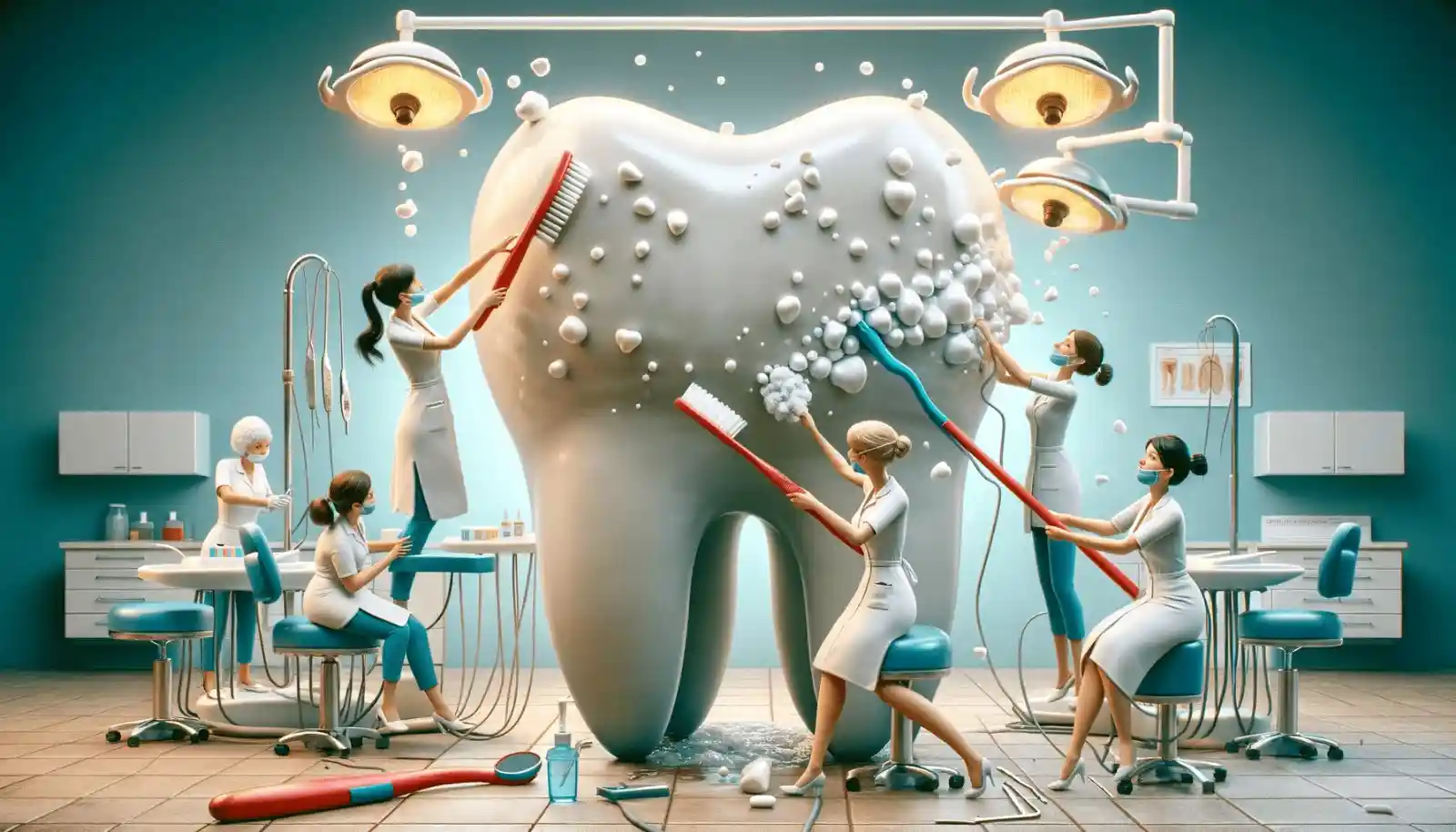
Brush twice daily with fluoride toothpaste and floss daily to prevent cavities and gum disease. Mouthwash helps kill bacteria, reduce plaque, and freshen breath.
Diet and Lifestyle
A healthy diet low in sugar reduces the risk of cavities and gum disease, while avoiding tobacco lowers the chances of gum disease, tooth loss, and oral cancer.
Mouthguards
Mouthguards protect teeth during sports, while night guards prevent damage from teeth grinding (bruxism) during sleep.
Early Intervention for Orthodontic Issues
Early dental visits help identify orthodontic issues in children, allowing for timely treatment and reducing future dental problems.
Regular Dental Check-ups
Dental check-ups, usually every six months, help detect early signs of cavities, gum disease, or oral cancer for timely treatment.
Cleanings and Professional Teeth Cleaning
Routine cleaning removes plaque and tartar that brushing can't, while scaling and polishing help prevent cavities and gum disease.
Fluoride Treatments
Fluoride strengthens enamel, making it resistant to decay, and can be applied during dental visits or used in toothpaste and rinses.
Sealants
Dental sealants are thin coatings applied to molars to prevent cavities by blocking food particles and bacteria from settling in tooth grooves.
Everything You Need to Know
FAQs about Preventive Dentistry
What is preventive dentistry?
Preventive dentistry focuses on maintaining good oral health and preventing dental problems such as cavities, gum disease, and tooth loss. It includes regular check-ups, cleanings, proper oral hygiene habits, and treatments like fluoride and sealants to protect your teeth.
Why is preventive dentistry important?
Preventive dentistry helps detect and address dental issues early, often before they become serious or painful. It can save you time, money, and discomfort by reducing the need for more expensive and invasive treatments like fillings, root canals, or tooth extractions. It also contributes to better overall health.
How often should I visit the dentist for preventive care?
It’s recommended to visit the dentist at least twice a year for routine check-ups and cleanings. However, depending on your oral health needs, your dentist may suggest more frequent visits.
What are dental sealants, and do I need them?
Dental sealants are thin, protective coatings applied to the chewing surfaces of your back teeth (molars) to help prevent cavities. Sealants are especially beneficial for children but can also be used in adults to protect teeth from decay.
How can I improve my oral hygiene at home?
To maintain good oral health, brush your teeth at least twice a day with fluoride toothpaste, floss daily to remove plaque and food particles between your teeth, and rinse with an antibacterial mouthwash. Avoid sugary foods and drinks, and stay hydrated to promote saliva production.
Are fluoride treatments necessary?
Fluoride treatments are highly beneficial, especially for those at higher risk of cavities, like children, those with dry mouth, or those who have had cavities in the past. Fluoride strengthens tooth enamel and makes teeth more resistant to decay.
What is the role of dental cleaning?
A professional dental cleaning removes plaque and tartar buildup that can lead to tooth decay and gum disease. Regular cleanings help keep your teeth and gums healthy and can prevent problems before they develop.
How can preventive dentistry help with gum disease?
Preventive dentistry helps maintain healthy gums through regular cleanings, proper brushing and flossing, and early detection of gum issues. Catching gum disease (gingivitis) early can help prevent it from progressing to more severe forms, like periodontitis, which can result in tooth loss.
Are mouthguards important for preventive care?
Yes, mouthguards are essential for protecting your teeth from injury during contact sports or for people who grind their teeth at night. A custom-fit mouthguard can prevent damage to your teeth, reduce the risk of tooth fractures, and alleviate discomfort caused by teeth grinding.
How does diet affect my oral health?
A healthy diet plays a crucial role in maintaining strong teeth and gums. Eating foods rich in calcium, vitamins, and minerals can help protect your enamel and prevent cavities. Limiting sugary snacks and acidic drinks also reduces the risk of tooth decay and gum disease.
Can preventive dentistry help avoid tooth loss?
Yes! Preventive dentistry is key to avoiding tooth loss. Regular dental visits help catch issues like gum disease and cavities early, preventing them from advancing to the point where teeth may need to be extracted.
What should I do if I have a dental problem between check-ups?
If you experience any pain, sensitivity, or discomfort, it’s important to see your dentist right away. Early treatment can prevent the issue from worsening and protect your oral health.